
House Edge and Rule Variations in Blackjack
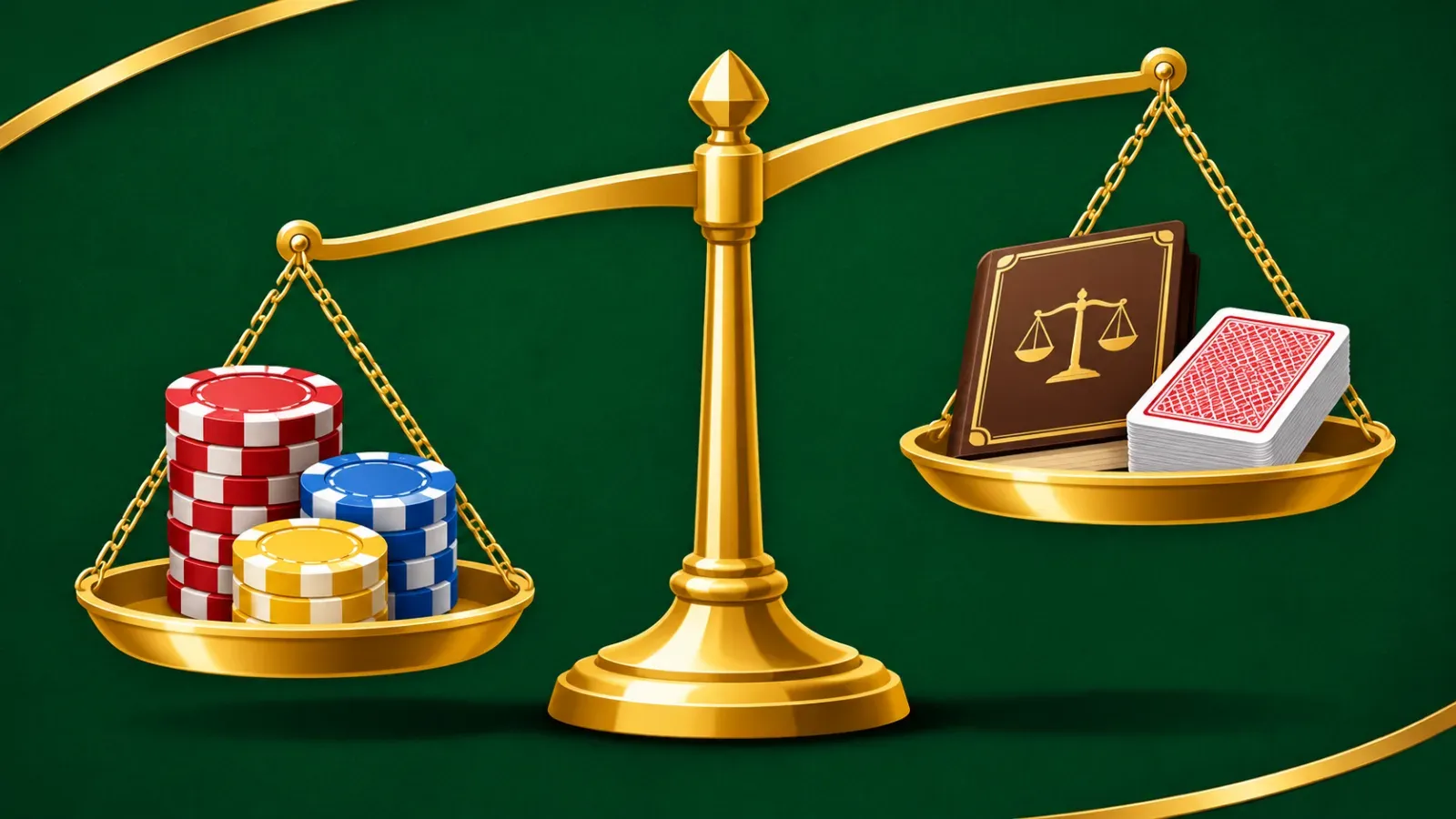
Not every blackjack table is the same. Small rule differences can have a big effect on the house edge, the casino's long-term advantage. Knowing which rules favour you helps you choose a better table. This page explains the most important variations.
What is the house edge?
The house edge is the average percentage of each bet the casino expects to keep over the long run. With good rules and perfect basic strategy, the house edge in blackjack is roughly half a percent. Bad rules can multiply that.
The biggest one: 3:2 vs 6:5
A natural blackjack traditionally pays 3 to 2: a 10 bet wins 15. Some tables pay only 6 to 5: a 10 bet wins 12. That looks small, but it increases the house edge by around 1.4 percentage points, which is more than all other common rule changes combined. Avoid 6:5 tables whenever you can.
Other rule variations
- Dealer hits or stands on soft 17: when the dealer must hit soft 17, the house edge rises by about 0.2 percentage points.
- Double after split: being allowed to double after splitting lowers the house edge slightly.
- Surrender: late surrender, giving up half your bet after the dealer checks for blackjack, helps the player a little when used correctly.
- Re-splitting aces: allowing it helps the player.
- Doubling restrictions: if you may only double on 9, 10 or 11, the house edge goes up.
- Number of decks: fewer decks are generally better for the player. A single-deck game with good rules has a lower edge than an eight-deck shoe.
Side bets
Many tables offer side bets, such as bets on pairs or on poker hands formed with the dealer's card. Side bets usually carry a much higher house edge than the main game. Insurance is also effectively a side bet with a poor return for most players.
How to use this knowledge
Before you sit down or open a game online, check the rules in the table information. Look first at the blackjack payout, then at the soft 17 rule and the doubling and splitting rules. Probabilities that drive these numbers are explained in blackjack odds and probabilities.
Remember: even with the best rules, the casino keeps an edge. Play with money you can afford to lose and only if you are 18 or older.
Frequently asked questions
What is the house edge in blackjack?
With good rules and perfect basic strategy, roughly half a percent. Poor rules or mistakes increase it.
Why should I avoid 6:5 blackjack?
Because the lower payout for a natural blackjack raises the house edge by around 1.4 percentage points.
Are side bets worth it?
Usually not. Side bets generally have a much higher house edge than the main blackjack game.
Back to home